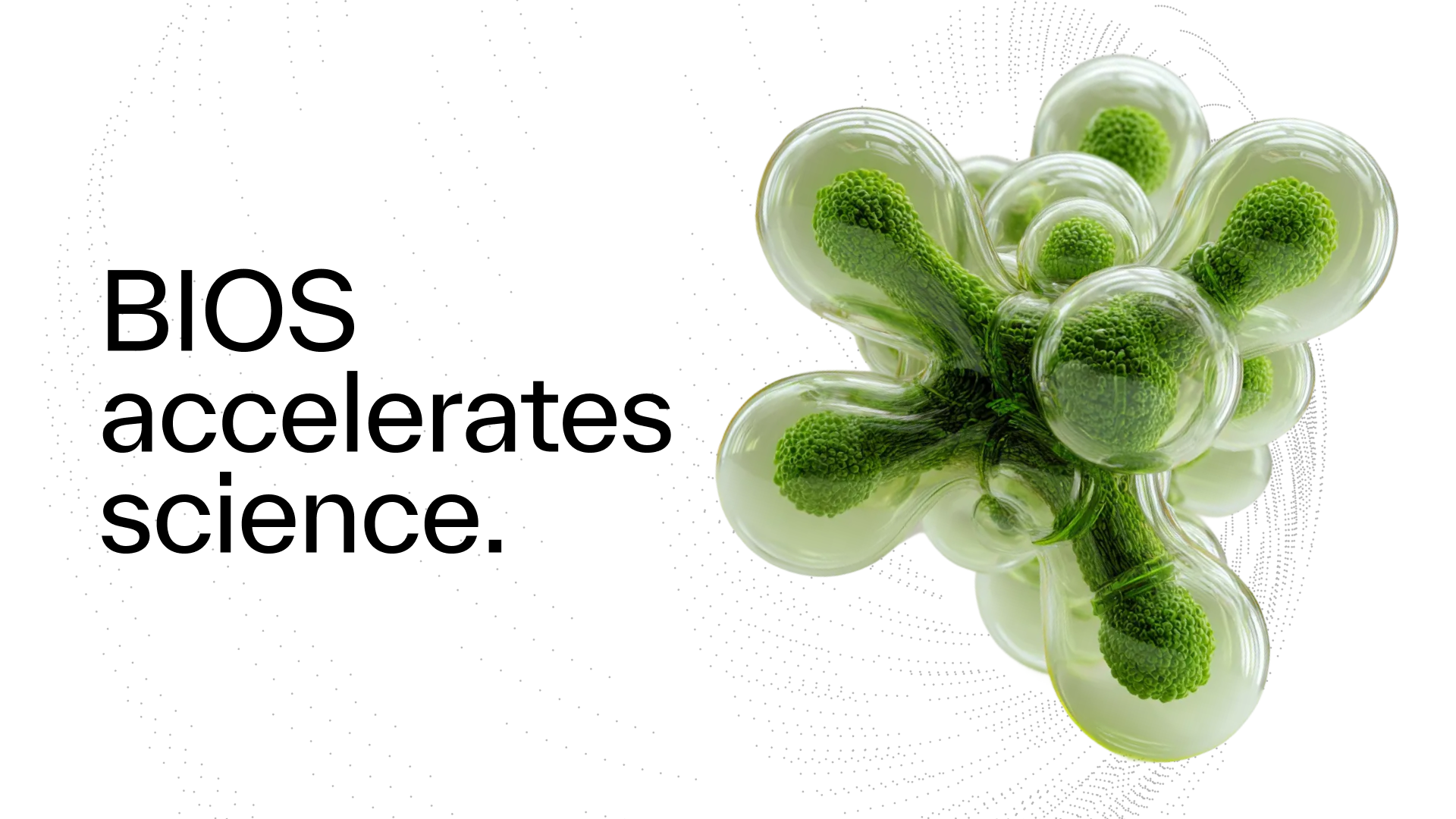
BIOS is an AI Scientist for biological data analysis, offering both human-in-the-loop and autonomous modes. It provides specialized agents for various research tasks, ranking #1 on BixBench.
BIOS is an AI Scientist specifically engineered for biological data analysis. This tool has achieved recognition, ranking #1 on BixBench, a benchmark for biological AI. It supports flexible workflows, allowing for human-in-the-loop checkpoints to ensure oversight and control, alongside a fully autonomous operational mode. The system leverages specialized AI agents, each designed for distinct tasks such as orchestration, comprehensive literature review, in-depth data analysis, and advanced novelty detection within biological datasets. A free tier is available, with academic users benefiting from full, complimentary access using their .edu email addresses.
Best used for
Automating and enhancing biological data analysis and research workflows with specialized AI agents.
Common actions
Analyze biological data
Automate research tasks
Review scientific literature
Detect novel biological insights
Streamline lab work
Data scienceartificial intelligenceScience
Capabilities
Key features
Biological data analysis
Human-in-the-loop
Autonomous mode
Specialized AI agents
Novelty detection
Target Audience
BiologistsResearchersAcademicsData Scientists
Integrations
Not yet documented
Pricing & Plans
freemium · free for academics
Not publicly disclosed. Check chat.bio.xyz for current pricing.
FAQs
What are the limitations of the free tier for non-academic users?
The free tier for non-academic users typically includes restricted access to advanced features, limits on processing capacity, or fewer specialized AI agents compared to paid plans. Specific details would be available on the BIOS pricing page.
How does BIOS ensure data privacy and security, especially with its human-in-the-loop feature?
BIOS implements robust data encryption and access controls. For human-in-the-loop processes, access is strictly managed, and users can define permissions to ensure sensitive biological data remains secure and compliant with relevant regulations.
Can BIOS integrate with existing lab information management systems (LIMS) or bioinformatics pipelines?
BIOS is designed for flexible workflows, and while direct out-of-the-box LIMS integration details would need to be confirmed, its API likely supports custom integrations. Users can export analysis results for use in other bioinformatics tools.
What kind of biological data formats does BIOS support for analysis?
BIOS, as an AI Scientist for biological data, supports a wide range of common biological data formats including genomics (e.g., FASTQ, BAM, VCF), proteomics, transcriptomics, and potentially imaging data. Specific supported formats would be detailed in the documentation.