
Research & Education
Browsing page 375 of AI tools for Research & Education. Sorted by confidence score — our independent quality rating.

TypeStars
TypeStars is an engaging educational platform specifically designed to help children aged 5-10 develop essential typing and spelling skills. Through a variety of fun and interactive games, kids can learn to type efficiently and improve their spelling in an enjoyable environment. The platform allows users to track their progress, earn stars for achievements, and collect stickers, providing a motivating reward system. TypeStars aims to build typing confidence in children, guiding them from basic key recognition to typing full sentences, making the learning process both effective and entertaining. It's an ideal tool for parents looking to introduce their children to keyboard skills in a playful manner.

multimodal-agents-course
multimodal-agents-course is a free, open-source educational program designed to teach developers how to build advanced AI agents. The course focuses on creating agents that can process and understand multimodal data, including images, text, audio, and videos. Participants will learn to build an MCP (Model Context Protocol) server for video processing using Pixeltable and FastMCP, design Groq-powered agents, and integrate systems with Opik for observability and prompt versioning. The curriculum emphasizes practical, hands-on implementation, covering topics like complex multimodal processing pipelines, video search engines, and LLMOps principles, making it suitable for ML/AI engineers, software engineers, and data engineers/scientists.

PeerHelp
PeerHelp is a peer-to-peer academic help platform designed to connect university students for various academic needs. Students can either seek assistance with their studies, including concept explanations, revision support, and general study guidance, or earn money by providing tutoring services to their peers. The platform emphasizes direct connections between students, bypassing traditional agencies and subscription models. It focuses on providing a straightforward and efficient way for students to get help or offer their expertise, without relying on AI-generated content. This approach fosters a supportive academic community where students can benefit from each other's knowledge and skills.
Freesubtitles
Freesubtitles.Ai offers a free solution for transcribing audio and video files into text, with the added benefit of translation services. Users can easily upload various media formats, including MP4, MKV, MOV, MP3, WAV, and FLAC, by dragging and dropping or browsing their files. The tool supports transcription in over 100 languages, with an auto-detect feature for convenience. Additionally, it can translate the transcribed text into 91 different languages. The free usage is limited to a maximum of 1 hour or 300 MB per file. This makes it an ideal tool for content creators, podcasters, and educators looking to enhance accessibility and reach a wider audience without incurring costs.
LockedIn
LockedIn is the #1 phone-free campus solution for K-12 schools, designed to create a distraction-free learning environment. This app-based platform utilizes OS-level device locking to automatically disable student phones during school hours, eliminating the need for physical pouches or hardware. Schools benefit from a real-time admin dashboard, campus geofencing, and instant notifications for policy violations. LockedIn also features circumvention detection for common bypass tricks like fake devices, Bluetooth peripherals, and hotspot sharing. It provides compliance reports, custom school schedules, and a field trip mode, making it a comprehensive and effective alternative to traditional phone-free methods.

ArtisanForge
ArtisanForge provides a unique and engaging way to learn PHP and Laravel development through a gamified adventure in the 'Realm of Codexia'. The platform is 100% free, offering courses, exercises, and 'kingdoms' without any payment. Users embark on quests, defeat 'code gremlins', earn XP, and level up, unlocking achievements as they progress. An AI companion, Pip the Owlox, offers Socratic wisdom without giving direct answers, encouraging problem-solving. The curriculum covers essential topics from PHP fundamentals and routing to database management, API development, and advanced architectural patterns, making it suitable for aspiring web developers.

Liveboard
Liveboard is a real-time collaborative whiteboard designed for teachers and teams to facilitate brainstorming, lesson planning, idea mapping, and sharing plans from any location. This online whiteboard supports real-time collaboration, making it an ideal solution for remote teams and online learning environments. Users can leverage its features for interactive teaching, collaborative planning, and shared digital workspaces. It aims to enhance productivity and communication by providing a dynamic canvas where multiple users can contribute simultaneously, ensuring everyone stays aligned and engaged whether in a virtual classroom or a remote team meeting.
365-Days-Computer-Vision-Learning-Linkedin-Post
365-Days-Computer-Vision-Learning-Linkedin-Post is an open-source GitHub repository curated by Ashish Patel, offering a comprehensive, day-by-day learning journey through various computer vision concepts and models. Each entry in the repository corresponds to a LinkedIn post, providing a concise overview and a link to further resources on topics ranging from EfficientDet and YOLO Series to Vision Transformers, GANs, and advanced segmentation techniques. This resource is ideal for individuals looking to deepen their understanding of computer vision through a structured, accessible format, leveraging the power of community learning and readily available information.
EazyQuizzy
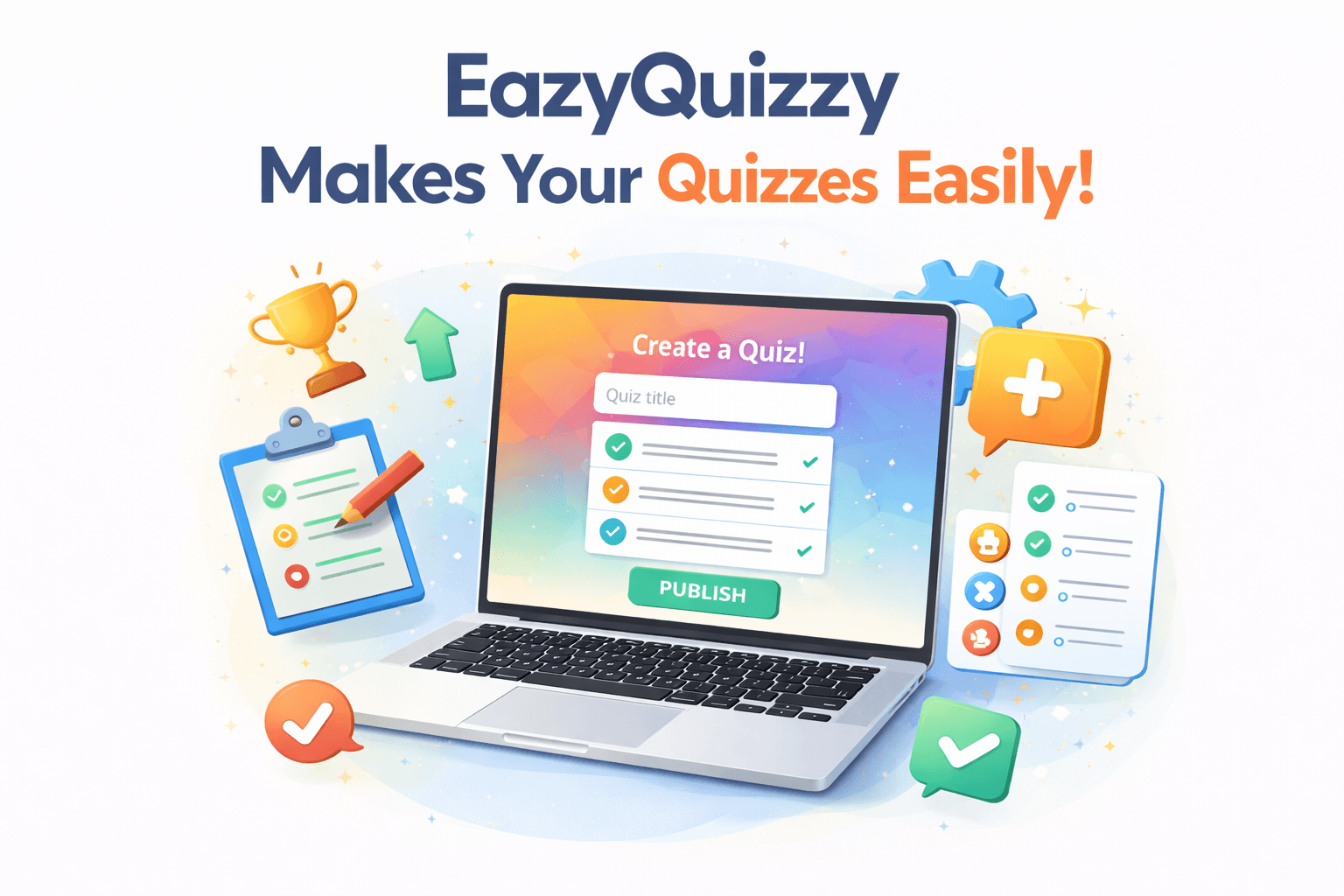
EazyQuizzy is a professional online platform designed for creating, managing, and evaluating quizzes, exams, and training assessments. It offers a straightforward, rapid, and secure solution for educators, trainers, and organizations. Users can easily design various types of assessments, from simple quizzes to comprehensive training evaluations. The platform emphasizes ease of use, allowing for quick setup and deployment of tests. EazyQuizzy provides a free 30-minute trial to explore its full features, alongside a premium annual subscription for unlimited access. It aims to streamline the assessment process for professional use, ensuring efficient management of educational and training evaluations.
ml-workspace
ml-workspace is a comprehensive web-based Integrated Development Environment (IDE) designed specifically for machine learning and data science tasks. It offers a streamlined deployment process, allowing users to quickly set up and begin building ML solutions on their own machines. The workspace comes pre-loaded with a wide array of popular data science libraries such as Tensorflow, PyTorch, Keras, and Scikit-learn, alongside essential development tools like Jupyter, VS Code, and Tensorboard. These tools are perfectly configured, optimized, and integrated to provide a productive environment. Key features include web-based access to Jupyter, JupyterLab, and Visual Studio Code, a full Linux desktop GUI via web browser, seamless Git integration optimized for notebooks, and integrated hardware and training monitoring via Tensorboard and Netdata. It supports easy deployment on Mac, Linux, and Windows via Docker.
ML-Roadmap-for-2022
ML-Roadmap-for-2022 offers a comprehensive and curated list of resources for individuals looking to master machine learning within a six-month timeframe. This GitHub repository provides a structured learning path, starting from foundational concepts like Python programming, data manipulation with Numpy and Pandas, and data visualization, all the way to advanced machine learning algorithms and practical applications. The roadmap is divided into distinct levels: 'Testing the waters,' 'Gaining Conceptual depth,' and 'Learning Practical Concepts,' each with estimated completion times. It includes links to numerous YouTube playlists, practice problems, and Kaggle datasets, making it an invaluable resource for self-paced learning and practical skill development in machine learning.
Hugging Face Values
Hugging Face Values offers an accessible platform for exploring and using machine learning models without requiring coding expertise. Users can easily select a model and input their data to generate results, making it suitable for educational exploration and AI experimentation. The platform emphasizes an open and collaborative environment, allowing individuals to discover and leverage various AI models. This tool is ideal for those looking to engage with machine learning technologies in a straightforward manner, fostering learning and practical application.
Chrono Civilizations
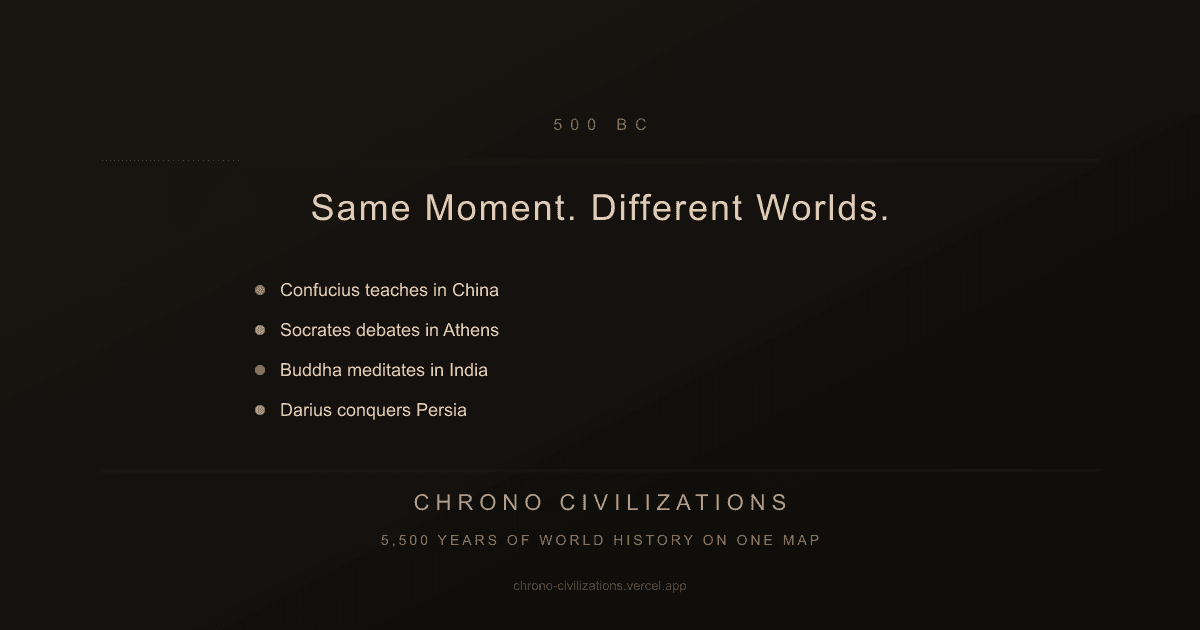
Chrono Civilizations offers an interactive historical atlas, allowing users to explore 5,500 years of world history from 3500 BC to 2024 AD. This educational tool visualizes 1,477 historical events and over 2,700 dynamic territory borders across 10 major civilizations, including China, Greece-Rome, Egypt, India, and the Islamic world. Users can watch empires rise and fall in real-time by sliding through an interactive timeline, observing dynasty boundary changes and the coexistence of different empires like Tang Dynasty China and the Roman Empire. It features a bilingual Chinese/English interface and highlights cross-civilization interaction routes such as the Silk Road.
ml-practical-usecases
ml-practical-usecases offers a comprehensive database of 650 machine learning system design case studies, compiled from over 100 leading companies such as Netflix, Airbnb, and Doordash. This resource provides practical insights into how these companies leverage ML to improve their products and operational processes. The case studies cover various machine learning applications, highlighting innovative approaches and methodologies. It serves as a valuable learning resource for understanding real-world ML implementations and system design principles. The repository acknowledges Evidently AI for the original compilation, making it a community-driven resource for the machine learning ecosystem.

Grifoli - Drawing Coach
Grifoli is a dedicated drawing coach application designed to help users of all skill levels improve their sketching abilities. It offers structured learning through guided courses and specialized tracks, covering areas like portraits and fundamental drawing elements such as composition, proportions, and shading. Users can engage in daily practice with focused exercises and receive instant feedback on every sketch they upload. The app also includes reference tools, allowing users to draw from a source and get a strict reference-based review. Grifoli provides detailed written feedback and skill tests to identify areas for improvement, making it suitable for beginners while also supporting more experienced artists.
Litero
Litero AI is an ethical AI writing partner designed to enhance research, writing, and citation processes for various users. Unlike general AI assistants, Litero focuses on source-based, author-driven content creation, integrating with over 100 million legitimate sources for verifiable information. It offers features like an outline builder, AI autosuggestions, and a citation tool that formats references in various styles. Additionally, Litero includes built-in AI detection and plagiarism checking to ensure originality and maintain academic integrity. The platform supports users in developing foundational drafts, expanding content, and polishing their writing while preserving their unique voice. It's ideal for those who want to leverage AI to boost productivity without compromising ethical writing practices.
MocapNET
MocapNET is a real-time method for estimating 3D human pose, converting 2D body joint estimations from monocular color images directly into the popular Bio Vision Hierarchy (BVH) format. Its key contributions include a novel and compact 2D pose NSRM representation, a human body orientation classifier, and an ensemble of orientation-tuned neural networks. This allows for the decomposition of the body into upper and lower kinematic hierarchies, enabling robust pose recovery even with significant occlusions. An efficient Inverse Kinematics solver refines the neural-network-based solution, ensuring 3D human pose estimations are consistent with a target person's limb sizes. MocapNET achieves a 33% accuracy improvement over its predecessor while maintaining real-time performance of 70 fps on CPU-only execution.
carla
CARLA is an open-source simulator specifically designed for autonomous driving research, offering a robust platform for the development, training, and validation of autonomous driving systems. It provides a rich set of open digital assets, including urban layouts, buildings, and vehicles, which can be freely used. The simulation platform is highly flexible, allowing for the specification of diverse sensor suites and environmental conditions to create realistic and varied scenarios. CARLA supports integration with various tools and frameworks, such as ROS-bridge for connecting to ROS, Scenario_Runner for executing traffic scenarios, and provides resources for reinforcement learning and conditional imitation learning models. It is built with Unreal Engine, currently supporting both UE 4.26 and UE 5.5 versions.

CombienCaFait
Combiencafait is a comprehensive online platform offering over 60 free and up-to-date calculators and simulators for a wide range of daily needs. Users can find tools for financial planning, such as mortgage simulations, salary conversions (gross to net), and compound interest calculations. The platform also includes health-related tools like BMI calculators, as well as utilities for managing time, understanding legal fees, and even basic chemistry calculations. Designed for ease of use, Combiencafait ensures all calculations are reliable and updated for 2026, without requiring registration or tracking user data, making it a secure and anonymous resource for quick decision-making.
Flag Learn
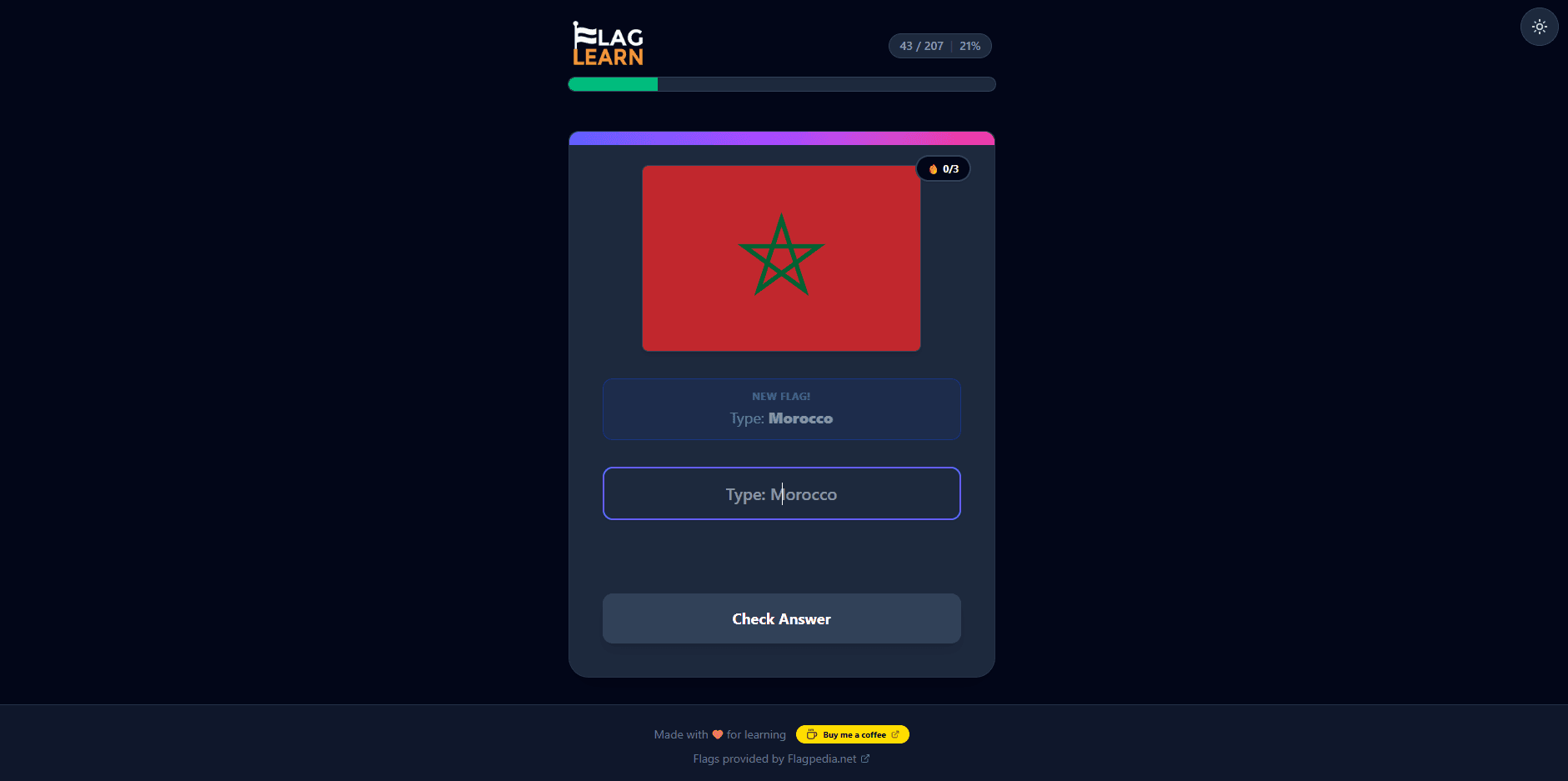
Flag Learn is a free interactive geography and astronomy quiz game designed to help users master world flags, capitals, US states, and constellations. The platform offers a variety of engaging game modes, including Map Locator, Ultimate Mode, and PvP battles, allowing users to test their knowledge and compete with others. A daily Flagle challenge is also available to keep learning fresh and consistent. Users can track their progress, making it an effective tool for improving geography and astronomy knowledge in a fun and interactive way. The game is accessible and designed for a broad audience interested in educational quizzes.
Huggingface Mcp
Huggingface Mcp is an AI agent designed to streamline the process of discovering and understanding models available on Hugging Face. Users can efficiently search for models using various criteria, including name and tags, making it easier to find relevant resources. Beyond basic search, the tool offers detailed information and comprehensive documentation for specific models, providing valuable insights for developers, data scientists, and researchers. This functionality helps users quickly assess model capabilities and integrate them into their projects, enhancing productivity and accelerating AI development workflows.
machine-learning-interview
machine-learning-interview is a GitHub repository offering an extensive collection of resources for individuals preparing for machine learning interviews. It features a minimum viable study plan, covering topics from LeetCode questions to advanced ML system design. The repository includes real interview experiences from FAANG, Snapchat, and LinkedIn, along with detailed guides on ML system design use cases like YouTube recommendations and ad click prediction. It also provides quizzes to test ML knowledge and links to a Machine Learning System Design book on Amazon, making it a valuable resource for job seekers in the ML field.
Machine-Learning-for-Algorithmic-Trading-Second-Edition_Original
Machine-Learning-for-Algorithmic-Trading-Second-Edition_Original is an open-source GitHub repository accompanying the "Machine Learning for Algorithmic Trading, Second Edition" book published by Packt. This comprehensive resource aims to show how machine learning can add value to algorithmic trading strategies in a practical yet comprehensive way. It covers a broad range of ML techniques, from linear regression to deep reinforcement learning, and demonstrates how to build, backtest, and evaluate trading strategies driven by model predictions. The repository contains over 150 notebooks that put the book's concepts, algorithms, and use cases into action, providing numerous examples for working with market, fundamental, and alternative data, training models, and designing trading strategies. It also includes applications replicating recently published research and uses the latest software versions like pandas 1.0 and TensorFlow 2.2.
Plagiarismremover
Plagiarismremover is an AI-based online tool designed to make content 100% unique and plagiarism-free. It utilizes Natural Language Processing (NLP) and Deep Learning technology to rewrite articles, essays, and research papers while preserving the original context. Users can choose from four modes: Plagiarism Remover, Word Changer, Formal, and Shorten, each offering distinct functionalities to refine text. The tool supports multiple languages and allows users to upload files directly. It also includes a word counter and ensures human-level plagiarism removal, making it suitable for bloggers, students, content writers, and freelancers.