What types of files and content can Fabric work with?
Fabric is highly versatile, supporting PDFs, videos, voice memos, EPUBs, images, documents, links, emails, and more. It can read, search, and work with content from various sources, including Google Drive, Notion, Dropbox, and local files, understanding their contents automatically.
How does Fabric's AI assistant differ from other AI tools?
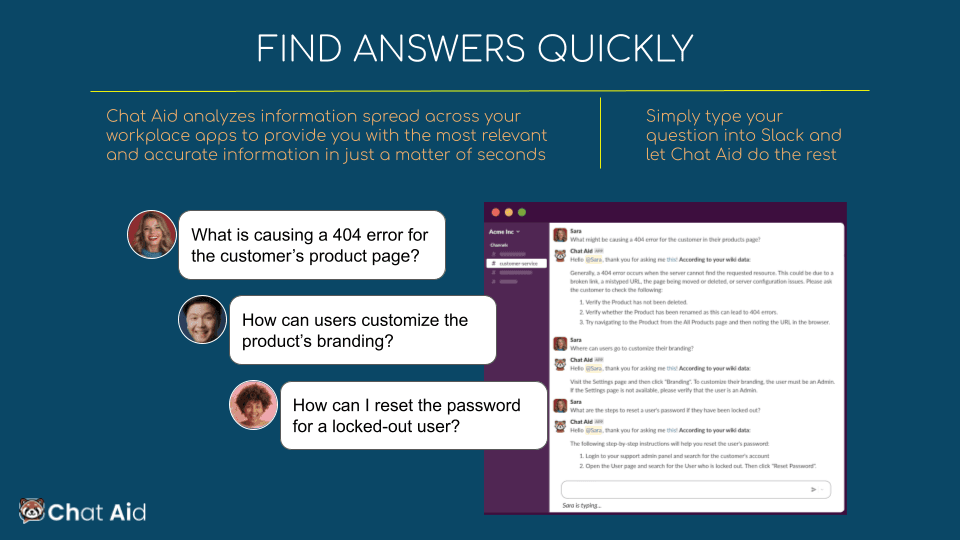
Fabric's AI assistant is unique because it lives where your work does, knowing all your projects, files, and ideas. It can reference any selection of files or folders, draft documents, search your knowledge base, and perform actions without needing you to paste context between apps. It gets smarter with use.
What kind of search capabilities does Fabric offer?
Fabric provides advanced search features including semantic search (by meaning), search inside documents (PDFs, decks, briefs), color search for visual assets, visual search using reference images, and search inside video and audio transcripts. It also offers cross-platform search across connected services.
Is Fabric suitable for team collaboration?
Yes, Fabric is built for collaboration. You can collaborate on any space or document, with built-in tools like annotations, Kanban boards, and real-time chat. It allows teams to write, think, comment, and create together, ensuring feedback is pinned to exact spots on content.
What security measures does Fabric have in place?
Fabric prioritizes security with end-to-end encryption. All data is encrypted in transit (SSL) and at-rest (AES-256). It is CASA Tier 2 compliant and offers password protection for files and folders, ensuring your personal data wallet is secure.